You and I Are Polar Opposites Review – More Than Just Opposites Attract
Introduction
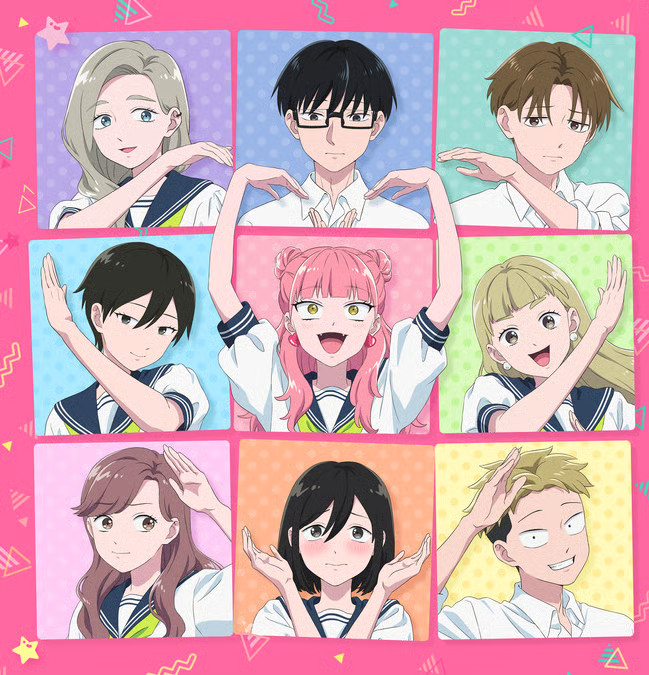
You and I Are Polar Opposites (Seihantai na Kimi to Boku) is a romantic comedy written and illustrated by Kōcha Agasawa. The anime adaptation of the popular rom-com manga is produced by studio Lapin Track, which is also responsible for works like Undead Girl Murder Farce and Shoushimin, the former of which I consider to be one of the greatest anime of all time. Added to the fact that the manga is also quite popular, it’s safe to say that I had quite a lot of expectations for this show.

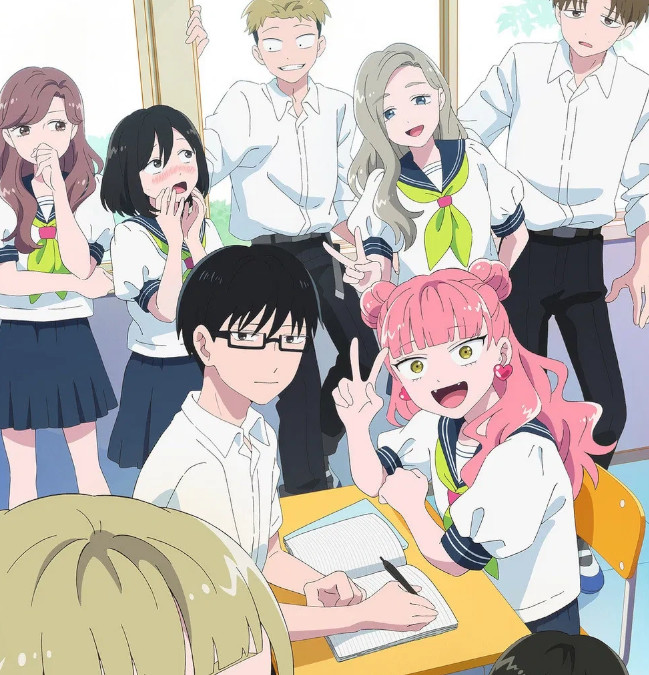
The show follows an ensemble cast while mainly focusing on our two main characters– Miyu Suzuki, a cheerful, popular, and extroverted high school girl, and Yusuke Tani, an introverted loner with hardly any friends to speak of. Although they sit beside each other in class, they exchange only small pleasantries and never go beyond generic small talk. However, Miyu has long since admired Tani for his straightforward honesty, which stands in stark contrast to her need to fit in.
Learning From Opposites

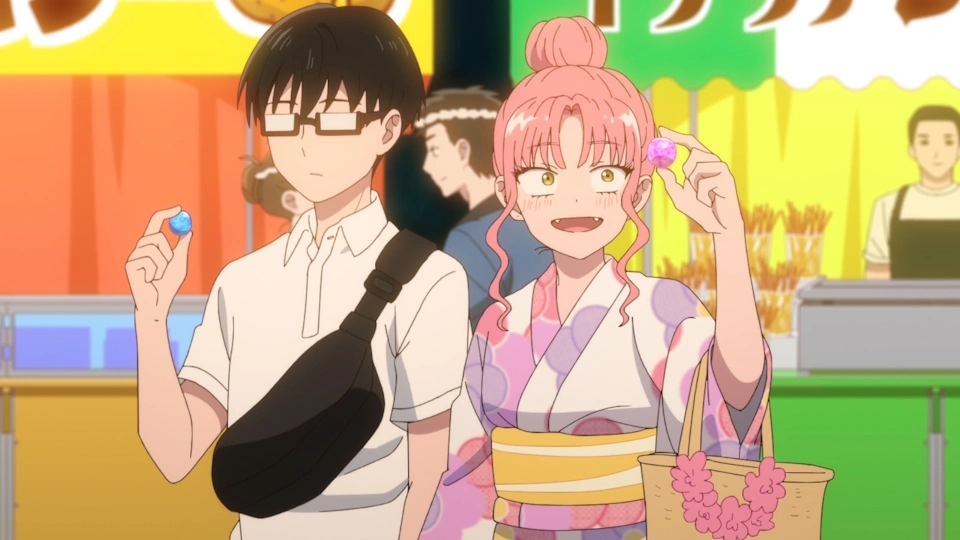
You And I Are Polar Opposites shines in a different light compared to numerous other rom-coms because it isn’t just merely about the “chase” leading up to the relationship between our main couple. Instead, they get together in the very first episode. The story is about the journey between two completely opposite personalities who are deeply attracted to each other. It refreshingly depicts the growth of the relationship between the two teens in a heartfelt, comedic, quirky, and weirdly realistic way. Our main couple frets over small things, overanalyzes texts, and later realises that they are not alone in feeling that way. They allow each other to explore, understand, and even develop aspects that they previously lacked.
After dating Suzuki, Tani gradually learns to open up from his insular, introverted self. He engages with people of different backgrounds, makes new friends, participates in social group events, and learns to communicate better, all so he can articulate his feelings for Suzuki more clearly. Meanwhile, Suzuki is deeply self-conscious about her place in the social hierarchies of school life and constantly chases social validation by trying to fit in. Through Tani, she learns self-acceptance, overcomes her habit of overthinking how others perceive her, and gains the strength to express her opinions clearly without fearing judgement.
Nishi And Yamada: A Mirror Image

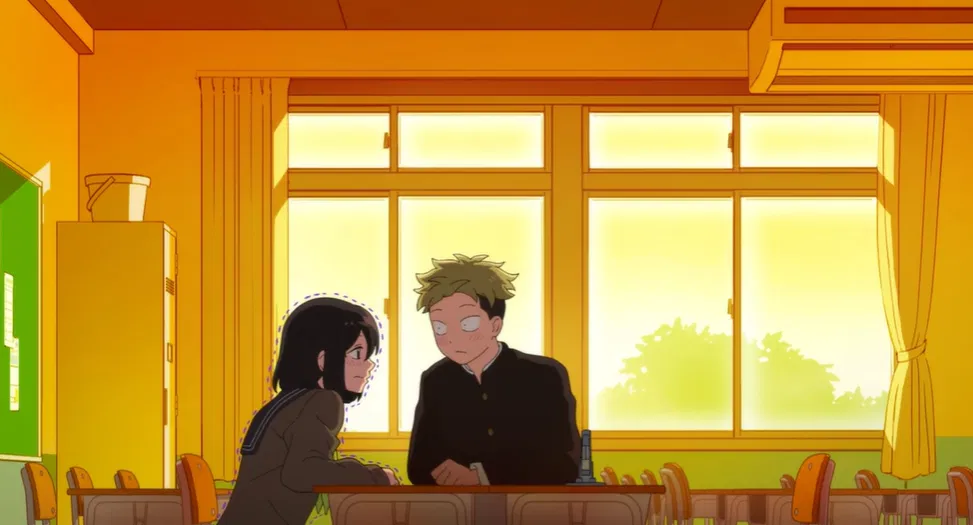
The show becomes even more engaging when we follow the two secondary couples. One such couple is Natsumi Nishi and Kentaro Yamada. Their dynamic is especially interesting because they are the mirror image of our main couple. Yamada is an energetic popular boy, while Nishi is an anxious and introverted girl. Their relationship is handled with care, where both characters challenge each other’s preconceived notions and boundaries with gentle and mutual comfort.
Their relationship begins with Yamada proactively, but casually, extending his friendship to the quiet Nishi. Although Nishi internally panics at first, Yamada’s friendliness and non-threatening “Golden Retriever” warmth gradually wins her over. Yamada’s energy allows Nishi to express herself, and she realises that she doesn’t have to act a certain way in social settings. Yamada creates the perfect environment for Nishi to eventually be comfortable in the wider friend group.
As for Yamada, who is usually highly energetic and outgoing, Nishi provides a calm, safe space where he can unwind and just focus on one person. His captivation with Nishi’s quiet nature indicates his own need for comfort outside large friend groups. Through her, he learns to read microexpressions, slow down, and finds purpose in making Nishi happy.
Taira And Azuma: Slow Burn

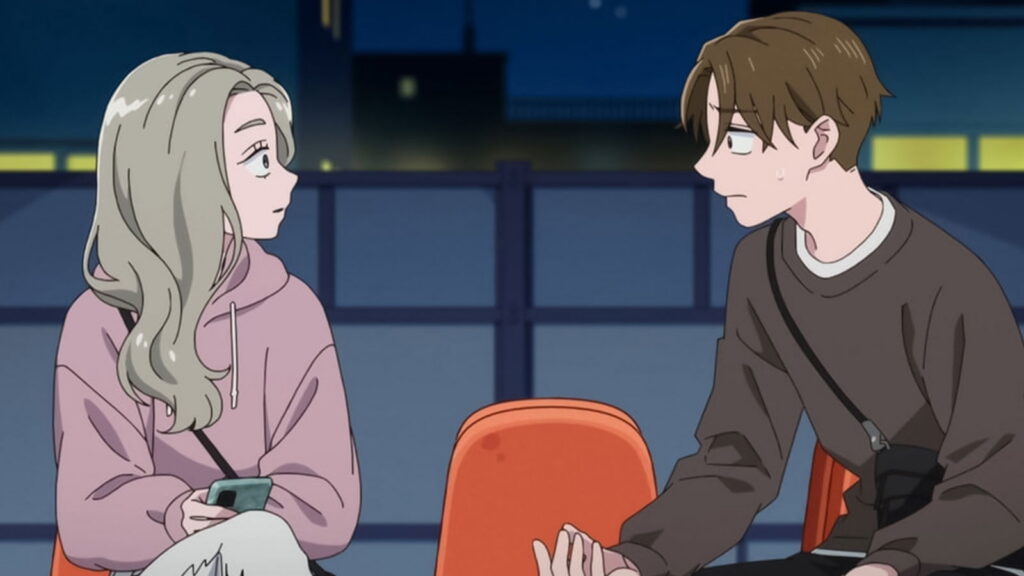
The other couple is my favourite pairing in the show, Shuji Taira and Shino Azuma. Their relationship is realistic, complex, and slow-burning. Taira and Azuma have been friends since middle school, and despite their close friendship and remarkable similarities, they are very different in some key aspects. Taira is an extremely cynical, highly self-conscious, and self-loathing teenager who sees himself as painfully average and uncool. Azuma, meanwhile, is a kind, friendly, and popular girl who suffers from low self-confidence. As a result, she acts like an airhead, treats herself poorly, and allows others to walk all over her.
Because of their long history, these two completely drop all their social walls when they are alone. They tease each other, often quite bluntly, but always in a fun, caring way. Azuma doesn’t feel the need to maintain the facade of “popular dumb girl” in front of him. Taira constantly influences her to be her authentic self by calling her out to respect her own feelings. Conversely, he lets his guard down around her. Azuma frequently forces him to question his cynical worldview by being a supportive friend. One such memorable example is when everybody forgets his birthday, except Azuma. While their relationship is beautiful, it develops too slowly. That would be my one criticism on this show.
By writing the supporting characters this way, the series builds its narrative exceptionally well. The supporting cast is not merely there to cheer on the main couple, but they each have their problems, anxieties, and insecurities to work through.
More Than Just A Romcom
Speaking on the technical aspects of the show, the animation is colourful and aesthetically pleasing. The anime series was directed by Takayoshi Nagatomo, who previously worked on the critically acclaimed anime Shoshimin: How to Become Ordinary. The character animation is highly expressive, with occasional stylistic changes that work splendidly during the comedic scenes. The soundtrack is excellent, including the opening theme by singer-songwriter Noa. The voice acting is phenomenal, with Sayumi Suzushiro (playing Miyu Suzuki) delivering a particular standout performance.
The show’s focus on communication between teenagers remains its greatest strength. It feels cute, awkward, and authentic. The characters’ relationships and friendships feel alive and believable. The show depicts teenage drama, insecurities, misunderstandings, and struggles of school life in an authentic yet warm and heartfelt manner. The story maintains a lighter tone and doesn’t veer off into any kind of intense emotional drama that one might expect from a show about a school rom-com. The author’s ability to capture the genuine social interactions is so convincing that it inevitably makes us feel reminiscent of our personal experiences from that stage of life.
Final Thoughts
If you are looking for a beautiful, genuine, warm, yet grounded romantic comedy about school life, then You and I Are Polar Opposites is about as good as it gets. If there’s one thing this anime is guaranteed to do, it is to make you feel incredibly good.
GRADE: B+
Have you seen You and I are Polar Opposites yet? How would you rate it, if you have? Let us know in the comments below!