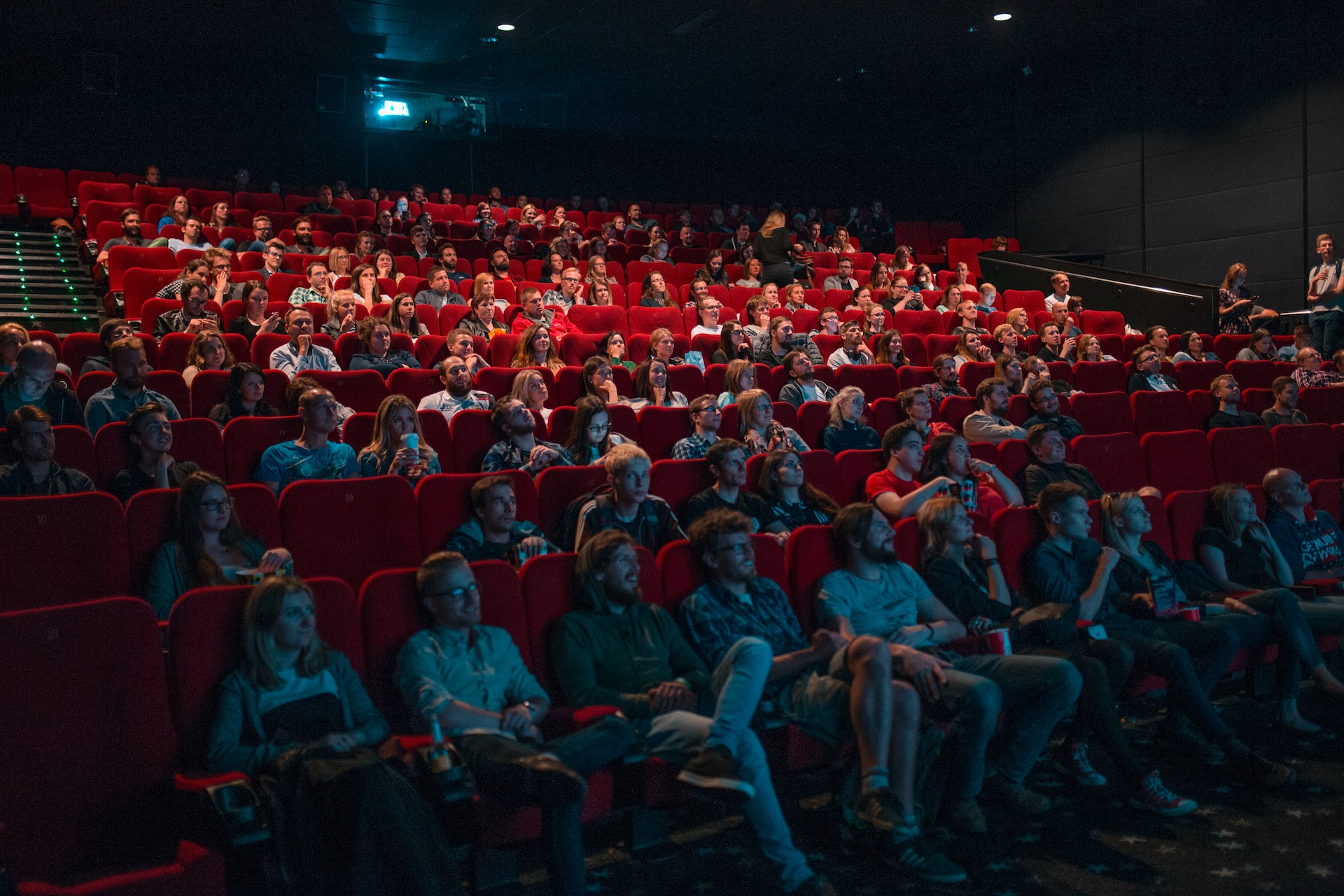
Modern entertainment is no longer divided by medium. The boundary between cinema, gaming, and interactive storytelling has blurred into a single, evolving experience. As a long-time film enthusiast and game analyst, I’ve watched this transition with fascination — the moment gaming became more than mechanics, it became cinematic. Today, the best digital platforms borrow the rhythm of film editing, the tension of a thriller, and the atmosphere of world-class cinematography. What we once expected from a movie — emotion, suspense, pacing — is now present in the heart of interactive entertainment.
I often say that a good casino interface feels like a well-directed scene. There’s composition, light, timing, and progression. In Australia’s digital gaming culture, that synergy between visuals and storytelling is now the new standard. Platforms evolve beyond random spins and simple interfaces; they’re crafting immersive arcs where players are both audience and protagonists. A vivid example of this is Levelup casino, a platform that applies cinematic logic to design and experience. Every transition feels orchestrated — a sense of flow where narrative meets control. It’s that feeling of being inside a movie sequence, where every decision advances the plot, not just the payout.
From Film Frames to Digital Spins
When directors like Christopher Nolan or Denis Villeneuve build tension, they rely on rhythm — a sequence of anticipation and release. The same principle drives the psychology of modern gaming. I remember analyzing this connection years ago while reviewing slot interfaces and realizing how pacing mirrors editing. A good film keeps you waiting just enough before the reveal; a good game does the same with its reward mechanics.
The reason cinematic techniques work so well in digital casinos lies in structure. In movies, storytelling creates emotional stakes; in gaming, it creates engagement. The visual tone, color palette, and soundtrack shape expectation — just as a score elevates a film’s tension. Many platforms, including those popular in Australia, are now using soundscapes and transitions designed with film logic. You’re not merely playing; you’re performing inside a scene.
Here are a few parallels I’ve noticed over time:
- Editing rhythm: The timing between spins and outcomes mirrors cinematic pacing, keeping players emotionally aligned.
- Lighting and contrast: Thematic color grading guides attention, much like a DP (Director of Photography) directs the eye on screen.
- Sound cues: Subtle sonic patterns create anticipation, echoing the suspense beats of a thriller or heist movie.
The Hero’s Journey of Modern Players
Joseph Campbell once wrote that all stories share a single structure: the hero’s journey. From myth to cinema, from Star Wars to The Matrix, that pattern defines transformation. Interestingly, modern casino design adopts the same concept — not in narrative form, but in player progression.
When I explored Levelup casino, I realized its name wasn’t metaphorical. The entire user experience follows a hero’s arc: you begin as a newcomer, cross thresholds (levels, bonuses, challenges), face uncertainty, and gradually master your environment. This mirrors the cinematic path of self-improvement, where each milestone feels earned rather than random. It’s not just about winning; it’s about narrative evolution.
That’s the genius of applying cinematic structure to digital entertainment. The player becomes both actor and audience — guided by mechanics, yet emotionally driven by context. It’s the same balance directors aim for: enough control to stay coherent, enough chaos to stay exciting.
Cinematic Design as Emotional Engineering
Filmmakers craft emotion through layers — visuals, pacing, dialogue, and sound. In online gaming, emotion comes from interaction. But the underlying engineering is identical. I’ve seen developers use film theory techniques like mise-en-scène and dramatic tension curves to structure user experience.
A key insight: when visuals and mechanics harmonize, immersion multiplies. For example, subtle camera animations during wins mimic cinematic movement; transitions emulate crossfades; and layered ambient sound replaces silence with expectation. The result is a psychological engagement that feels familiar to any film lover.
Here’s a method I often use when evaluating cinematic game design:
- Look for visual rhythm: Does the interface move like a camera scene or static UI?
- Check sound direction: Are transitions scored like a soundtrack or random effects?
- Observe emotional pacing: Does the system guide mood shifts like an edited sequence?
Games that pass these criteria often deliver the most memorable experiences — because they appeal not just to instinct, but to story memory.
Australia — The New Stage for Digital Storytelling
Australia’s digital entertainment scene has grown from niche to trendsetter. From independent studios to large-scale platforms, design philosophy now emphasizes immersion. What excites me most is how Australian developers and audiences value story-driven engagement. The success of interactive film experiences and cinematic casino platforms shows a cultural shift: entertainment must now feel personal, responsive, and aesthetic.
In that ecosystem, Levelup casino stands out for its narrative coherence. Even its visual hierarchy — gradients, icons, transitions — mirrors contemporary Australian film aesthetics: clear framing, depth of color, minimalist tone. You can sense that cinematic DNA in how the platform communicates emotion. It’s not about flashing lights; it’s about controlled atmosphere, much like a director managing lighting on set.
As someone who’s reviewed both films and games, I find this fusion inspiring. We’re witnessing entertainment evolve from passive watching to active cinematography — where every player becomes their own director.
What Filmmakers Can Learn from Gamers
It’s interesting to reverse the perspective. While gaming borrows from cinema, cinema is also learning from gaming. Non-linear storytelling, interactive endings, and audience participation have become mainstream. I often compare this to how platforms like Levelup casino structure engagement loops: small wins, escalating challenges, narrative payoffs. Filmmakers could adapt similar feedback mechanics to deepen immersion.
For creatives, the biggest lesson lies in rhythm. Whether you’re cutting a scene or designing a reward system, emotional timing defines success. I sometimes experiment with this by editing short scenes using gaming-style progression pacing — the results always feel more dynamic.
The Future — Interactive Cinema Meets Intelligent Play
We’re entering an era where your favorite film might not end the same way twice. Artificial intelligence, adaptive storytelling, and interactive engines are merging the art of narrative with real-time response. The cinematic casino experience is part of that evolution — not as gambling, but as a study in immersion.
Imagine a digital platform where sound design mirrors the heartbeat of the scene, where tension builds not by chance but by dramatic structure. That’s where the next generation of entertainment is heading. The traditional “fourth wall” no longer exists; players and viewers occupy the same space of action.
I predict we’ll see even closer collaboration between film composers, narrative designers, and game developers. The emotional blueprint of storytelling will power everything — from mobile experiences to virtual casinos — until the line between a movie and a game disappears entirely.
Final Take — Crafting Meaning Through Motion
Cinema taught us how to feel through light and time; gaming teaches us how to participate in that emotion. When I step into a well-designed interactive environment, it feels less like playing and more like performing. Platforms such as Levelup casino embody that transformation. They show that digital play, when guided by storytelling logic, can rival the emotional arcs of film.
In the end, both filmmakers and gamers chase the same thing — a connection that feels alive. Whether it’s a camera following a hero through chaos or a player guiding themselves through digital choices, the principle remains timeless: every action tells a story, and every story seeks its audience.
That’s the true cinematic gaming experience — not just spectacle, but meaning in motion.
 FOR FANBOYS, BY FANBOYS
Have you checked out LRM Online’s official podcasts and videos on The Genreverse Podcast Network? Available on YouTube and all your favorite podcast apps, This multimedia empire includes The Daily CoG, Breaking Geek Radio: The Podcast, GeekScholars Movie News, Anime-Versal Review Podcast, and our Star Wars dedicated podcast The Cantina. Check it out by listening on all your favorite podcast apps, or watching on YouTube!
Subscribe on: Apple Podcasts | Spotify | SoundCloud | Stitcher | Google Play
FOR FANBOYS, BY FANBOYS
Have you checked out LRM Online’s official podcasts and videos on The Genreverse Podcast Network? Available on YouTube and all your favorite podcast apps, This multimedia empire includes The Daily CoG, Breaking Geek Radio: The Podcast, GeekScholars Movie News, Anime-Versal Review Podcast, and our Star Wars dedicated podcast The Cantina. Check it out by listening on all your favorite podcast apps, or watching on YouTube!
Subscribe on: Apple Podcasts | Spotify | SoundCloud | Stitcher | Google Play